Ahead of the curve, always
A small-town boy from rural Maharashtra who drew a circuit board from a phone call, built a listed software company out of a garage, patented an idea a decade before the regulator caught up, and now spends his time backing the next generation of builders.
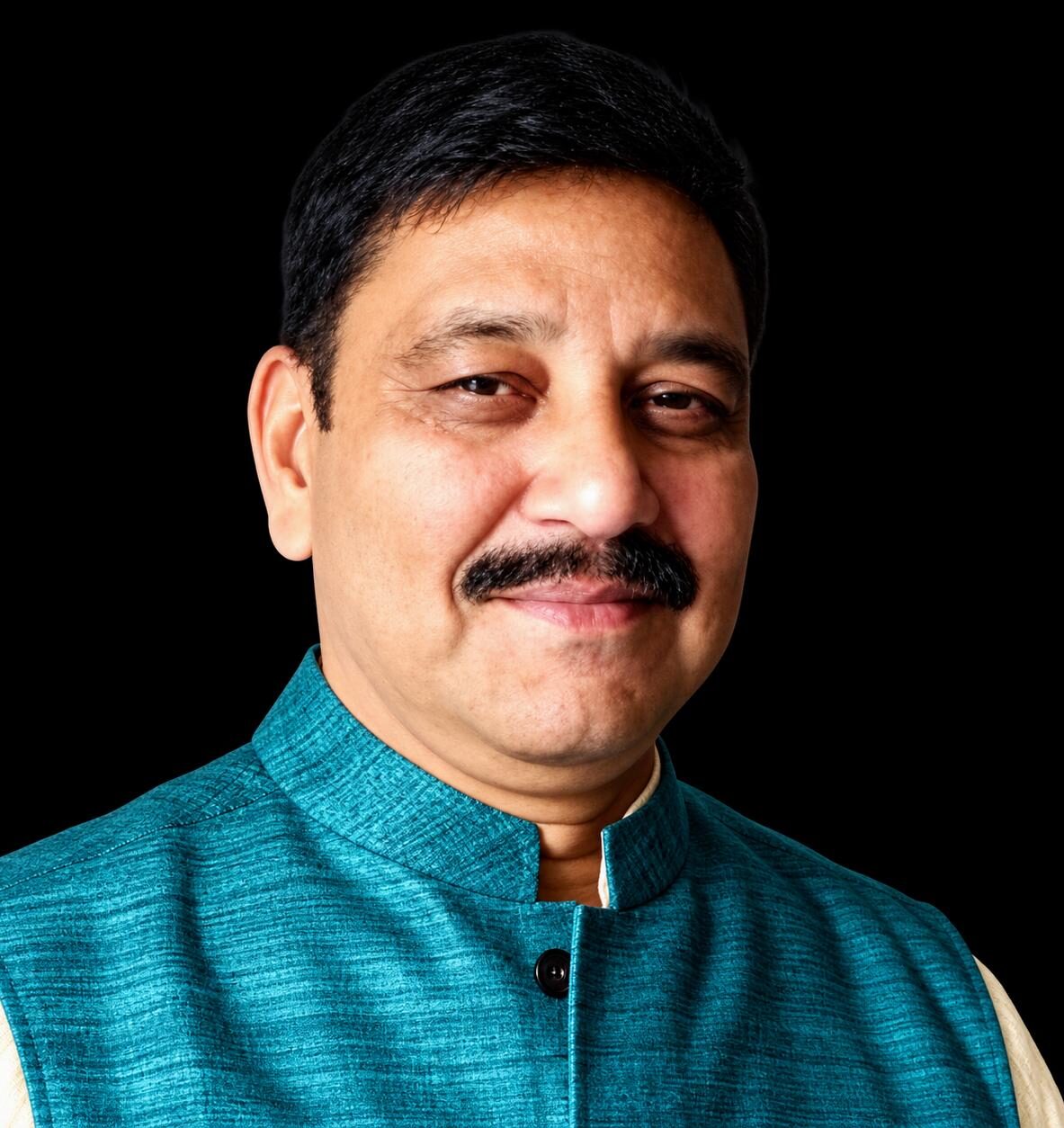
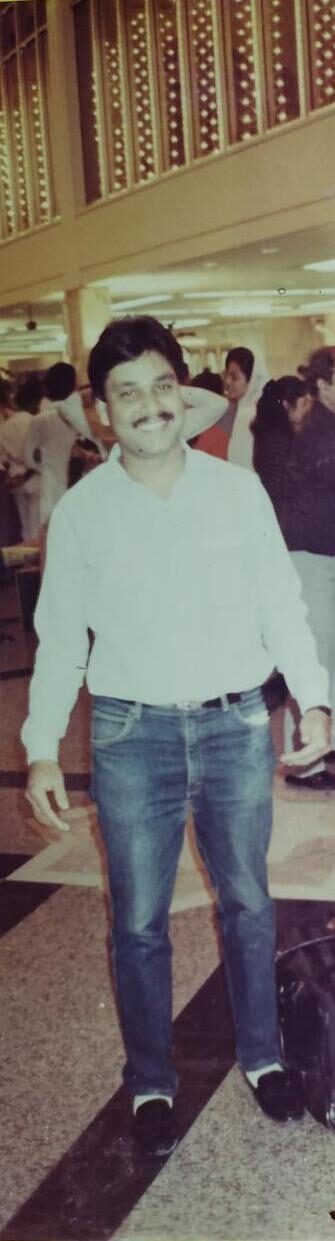
A small town, and a horizon that shifted
My father worked for the state government, and his postings took our family through small towns across rural Maharashtra. It was a modest, middle-class childhood that lasted right up to the twelfth standard.
Then he was transferred to Pune, and the world got bigger. I went on to a master's in electronics and, later, a master's in computer science, and by the mid-1980s I was in my first job. That move left me with a habit I never lost: look at what is in front of you, then ask what else could be possible.
"It was a very humble middle class family and very small places. Only after 12th actually I came to Pune."
Drawing a circuit from a phone call
A few months into my first job at Zenith, I was sent to Nashik to fix a customer's broken terminal, carrying a manual and a bag of spares. The machine turned out to be a different model from a different manufacturer. Nothing in the bag matched.
So my manager dictated the board's circuit diagram over the phone, line by line, and I drew it as I listened, traced the fault and fixed it. In those years of scarcity, when hardware sat in customs for weeks, I learned to stop complaining about missing resources. When a printer port failed, I wrote a small assembly program to quietly redirect COM1 to COM2. The customer never stopped working.
"I realized that using software I can solve some of the hardware problem."
The Thursday night promise
In 1988 I moved to Dubai. Every Thursday, friends from different firms would meet and complain about their employers' policies, until someone pointed out that you never really know why a rule exists until you have had to run a company yourself. That night I said it out loud.
"I'll start my own company and I'll ensure that all the stakeholders associated with us will always be proud of it."
Back in India, the Dubai company called me with work it wanted done from Pune. It was the first sign that world-class work could be delivered from India. In 1993 a friend and I started a partnership in a small outhouse near Deccan. With no internet, I found international customers on CompuServe, solving other people's technical problems, becoming a Microsoft MVP, and turning "Where are you from?" into engagements.
From a 300 sq ft garage to a listed company
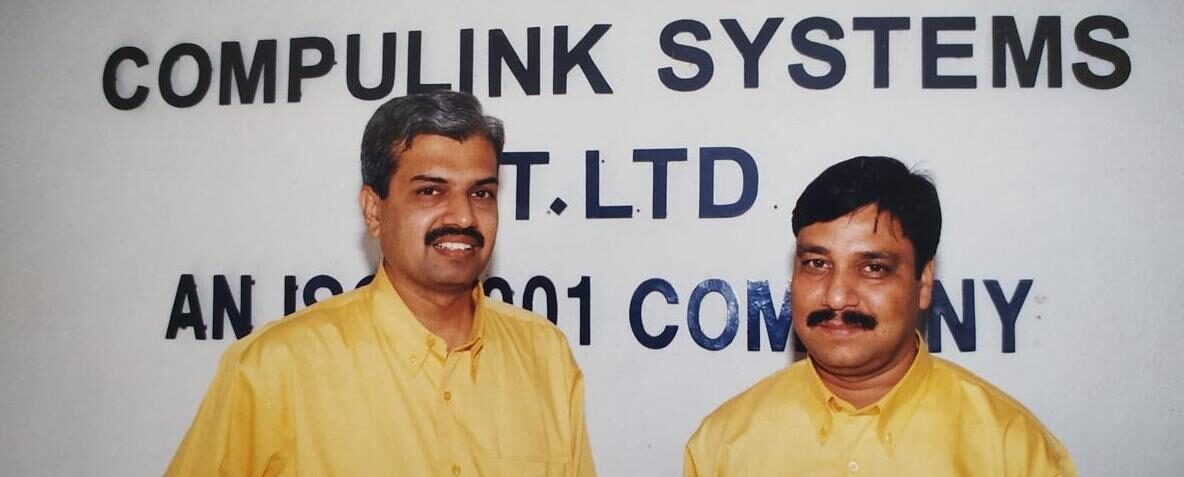
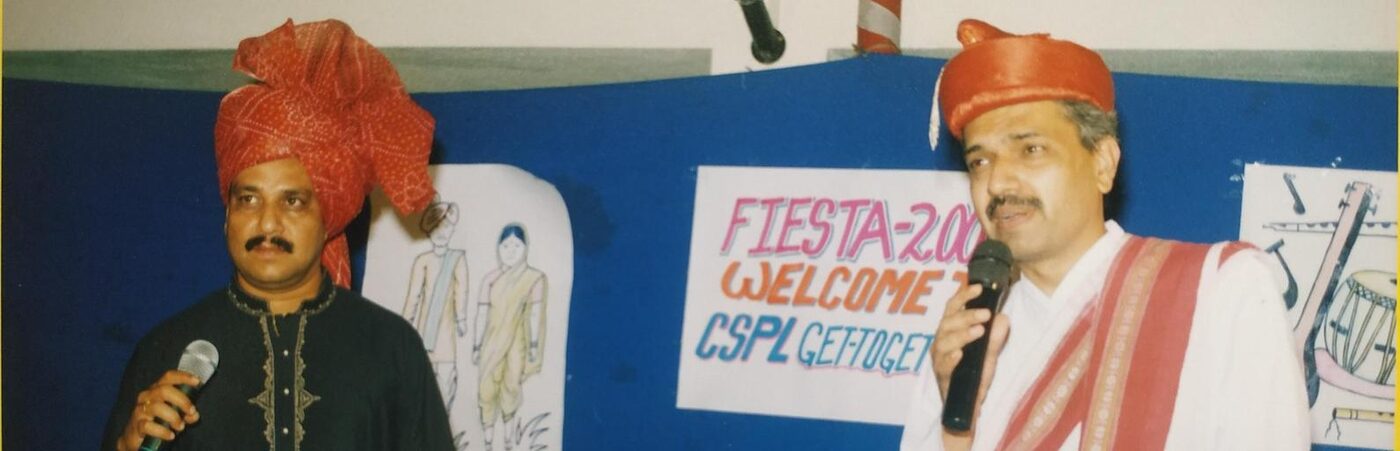
Compulink began in a 300 square foot garage. Our first client was my old Dubai employer; the second came from a chance conversation with a visiting Swiss businessman at a share broker's office.
When a recruitment-automation product we built was acquired, I saw how a small effort could create enormous value. Projects pay the bills; products give you scale. Our project and process management product grew to around 250 customers, and every one wanted something different, so we built a configurable web application framework to adapt the product without touching its core. Today the world calls that low-code.
"You can configure the product for a specific customer without changing the binary."
How to grow an engineer
We couldn't afford senior hires, so we grew talent from Tier 2 and Tier 3 colleges. Experience, I reasoned, is mostly mistakes you have already made and learned to avoid. Capture that in checklists, and a new recruit can do work about 80 percent as good as an experienced person's. For six months I spent at least two hours a day with every batch.
Checklists over years
Capture what experience teaches, so new hires start ahead.
Assignment of assignment
Trainees don't solve a problem; they write one for others.
The clean room test
One module, requirement to testing, alone. Pass or fail.
Earning, Learning, Pension
Every task in a day falls into one of three buckets: it earned something for the company, it helped you learn something new, or, if neither, you drew a pension: paid for doing nothing. Nobody tracked anyone. Team members mapped their own days for six months and slowly saw where their time went.
The second principle is just as direct: every role comes down to contributing to the sale or contributing to delivery. Whatever your title, find which one you are part of.
"It's a self realization. It is not policing actually."
An idea ten years early: XBRL
Around 2000, a customer invited me to Australia to a small gathering exploring XBRL, a standard way to report financial data. I built an Indian taxonomy for company reporting and presented it in Mumbai. Nobody acted on it. About a decade later, the regulator made XBRL filing mandatory.
My patented idea answered a practical question: how do you fill the template? Just as any application can "print" to PDF, I imagined an XBRL driver, so an accountant could simply print a profit and loss statement and get a standards-compliant report. The technology is protected by US and EU patents.
"Probably I'm a little bit ahead of time in this case also."
Blockchain with a purpose
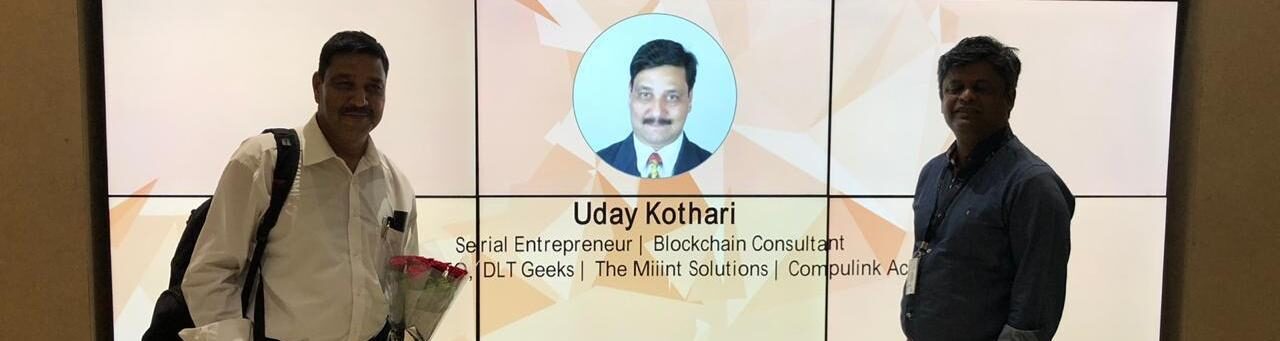
By 2017 I was mentoring startups and still coding. Most blockchain attention went to cryptocurrency, which I saw as more speculation than substance. Hyperledger, built for enterprises, was where the real use was: proving something travelled from A to B untampered, or authenticating a degree certificate. That led to DLT Geeks, a studio building enterprise applications on Hyperledger Fabric and Ethereum.
If only one party is involved, a well-built database does the job. Blockchain earns its place when many stakeholders need shared trust. Today I also build machine learning and generative AI applications.
"It's complementary but not mandatory to combine these two."
Backing the next builders
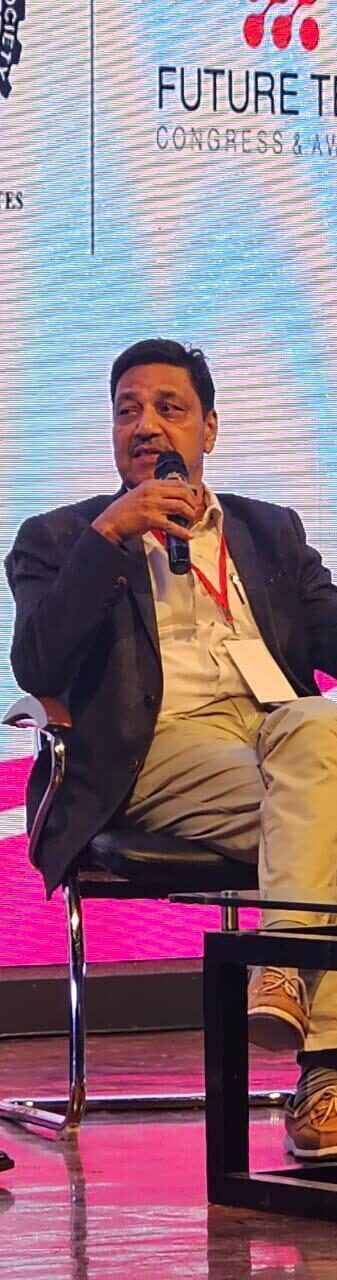
I became a charter member of TiE Pune in 2011, just as I was handing over my old company. We started a structured six-month mentoring programme with five or six startups; it grew every year. Around 2018 we realised mentoring wasn't enough; startups needed capital. About 25 charter members formed an angel group, which I went on to co-chair and then chair.
The opportunity
Is the problem real and sizeable?
The team
Does the founder have deep domain experience?
The market
Will it work beyond friends, family and early adopters?
"Features don't sell the products. Your solution to their specific problem does."

The energy of the young
On a recent college panel in Pune I met a third-year engineering student already working with space companies, and a young founder who had built a drone and sold it to the Army. These founders don't need much advice. They need help going to market, validating ideas before spending too much energy, and some encouragement. I'm especially optimistic about AI, defence, space, healthcare and health tech.
"People are already figuring it out. All they need is some little support."
Thirty-plus years, one steady thread
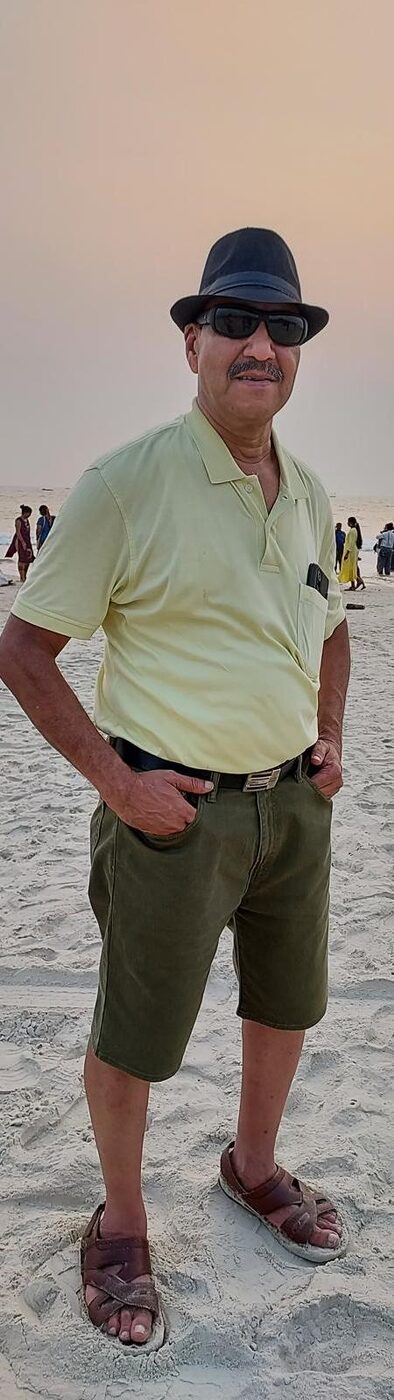
Build the builders
Away from work, I play table tennis three times a week and go to the gym three times a week, and I'll happily talk technology and business for as long as anyone is willing. I also run a scholarship in my late parents' names for students who score well in their Class 10 exams.
But I keep coming back to entrepreneurs. A founder who creates ten jobs supports ten families, often from small towns. My wife runs a small company, and some of the young women she employs are the highest earners in their villages. I've seen what that does for their standing at home.
"Creating more and more jobs is a much bigger social service than donating an amount."
Adapted from the Leadership Spotlight in The 365 Circle: C-Suite Advantage.
Get in touch Read the blog